
The decision to undergo nose reshaping surgery is a deeply personal journey that merges medical science with artistic precision. For many individuals considering this transformation, exploring a rhinoplasty before and after gallery is the very first step. While patients often view these portfolios to evaluate a clinic’s aesthetic style, medical professionals utilize these visual records for a much more complex purpose. In modern plastic surgery and ENT practices, these images are foundational clinical tools. Understanding how surgeons use rhinoplasty before and after photos allows patients to gain valuable insight into the meticulous planning required to achieve safe, harmonious, and beautiful outcomes.
Understanding Rhinoplasty Before and After Images
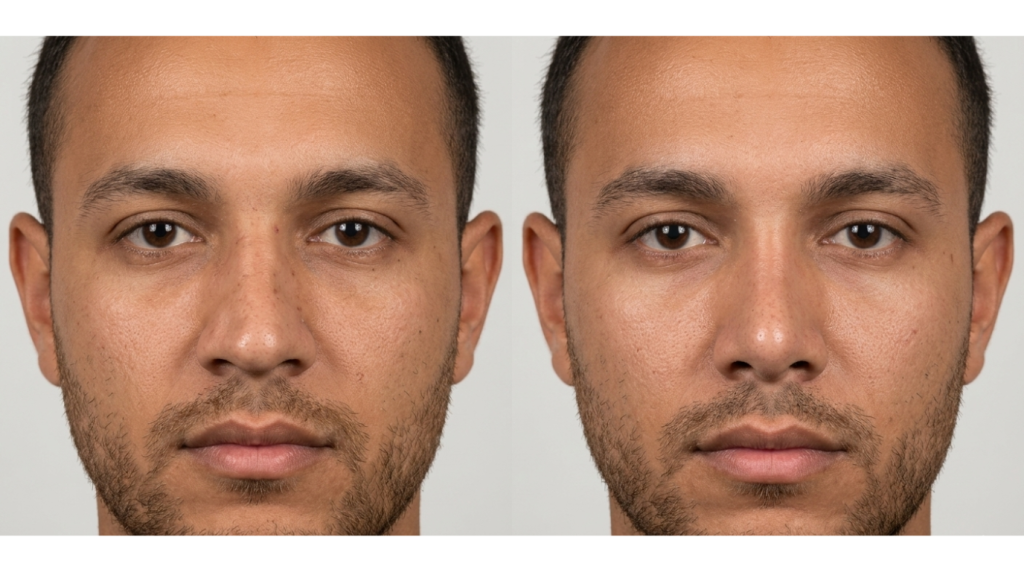
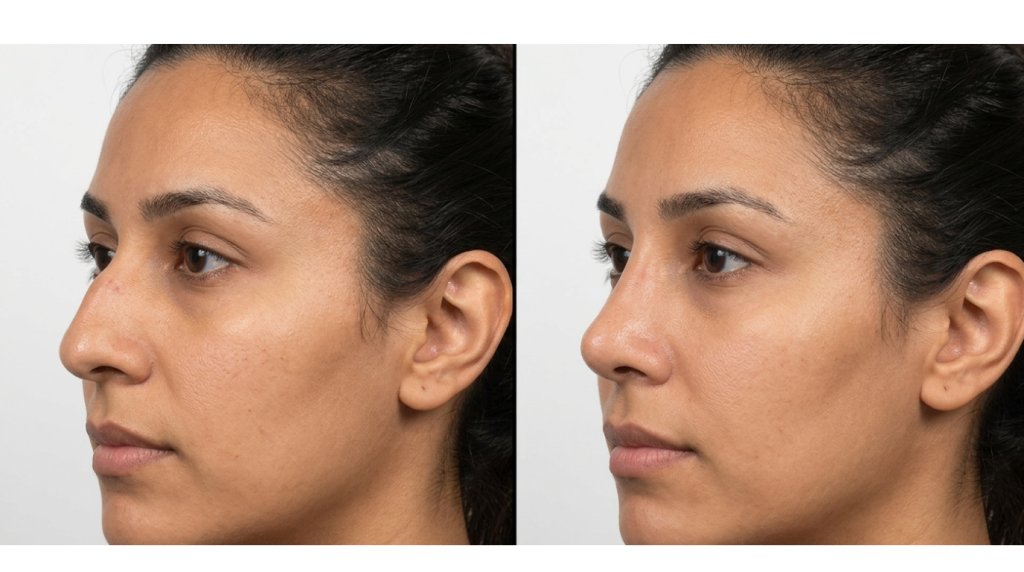
Before and after rhinoplasty photos are far more than simple marketing materials; they are standardized medical records. In a professional clinical setting, these photographs are captured using precise lighting, consistent backgrounds, and specific angles—including frontal, profile, three-quarter, and basal views. This strict standardization ensures that the camera does not distort the facial features. By analyzing a comprehensive database of past nose surgery results, a surgeon can evaluate how specific structural changes manifest across different tissue types and facial profiles. For the patient, studying a diverse collection of a nose job before and after helps clarify the visual language of nasal anatomy, making it easier to communicate their personal aesthetic desires during initial evaluations.
Why Surgeons Rely on Before and After Photos During Consultation
The rhinoplasty consultation process in Pakistan serves as the bridge between patient desires and surgical realities. During this initial meeting, past clinical photographs serve as a vital visual reference. Because medical terminology can sometimes feel overwhelming or ambiguous to a layperson, referencing actual photographic outcomes allows the surgeon and patient to align on a shared vocabulary. A specialist can point to specific before and after rhinoplasty photos of previous patients who possessed identical structural traits—such as a drooping nasal tip or a prominent dorsal hump—to explain exactly which surgical maneuvers can resolve those issues. This collaborative visual review ensures that both parties are completely aligned before a single incision is planned.
How Before and After Images Help Set Realistic Expectations
Managing rhinoplasty patient expectations is one of the most critical aspects of a successful surgical journey. Every individual possesses a unique anatomical foundation, including varying skin thickness, bone density, and cartilage strength. By reviewing a curated selection of realistic rhinoplasty results before and after, patients can see how historical cases with similar structural limitations were safely resolved. A skilled specialist uses these examples to demonstrate that cosmetic nose surgery is an art of refinement rather than replication. Seeing real, unedited transformations helps patients move away from idealized, filtered digital imagery and appreciate the beauty of structurally sound, balanced alterations tailored to their specific anatomy.
Facial Analysis and Personalized Surgical Planning
A successful nasal reshaping procedure is never a one-size-fits-all application. It requires a highly sophisticated rhinoplasty planning process deeply rooted in the principles of facial harmony and balance. Surgeons use baseline photographs to perform a comprehensive facial analysis, measuring the precise angles between the nose, forehead, and chin. This detailed assessment enables the formulation of a personalized rhinoplasty treatment plan that respects the patient’s unique ethnic characteristics and structural proportions. The ultimate benefits of personalized rhinoplasty planning lie in its ability to preserve or enhance breathing function while simultaneously delivering an aesthetically pleasing shape that naturally complements the rest of the patient’s facial features.
Common Nose Concerns Evaluated Through Rhinoplasty Images
Photographic analysis allows an experienced surgeon to break down complex nasal deformities into distinct, addressable anatomical components. During the rhinoplasty candidate assessment, the specialist carefully evaluates several common concerns visible in the images:
- Dorsal Humps: Assessing the precise ratio of bone and cartilage that forms a bridge bump.
- Asymmetry and Deviations: Mapping crooked nasal bridges caused by trauma or congenital septal deviations.
- Tip Deformities: Evaluating bulbous, drooping, or overly turned-up nasal tips that disrupt facial balance.
- Alar Base Width: Measuring the span of the nostrils relative to the distance between the eyes.
By categorizing these concerns through historical photographic data, the surgeon can select the exact structural grafting techniques required for the upcoming procedure.
What Makes Rhinoplasty Results Look Natural
The hallmark of exceptional cosmetic surgery is that it looks entirely unoperated. When analyzing successful rhinoplasty before and after results in Pakistan, the common denominator is always subtlety and structural integrity. A natural-looking nose avoids the over-resected, “pinched” appearance often associated with older surgical techniques. Instead, modern procedures prioritize maintaining or rebuilding the structural support of the nose using cartilage grafts. This ensures that the nasal bridge remains strong and the tip stays well-supported over time. By studying past outcomes, surgeons refine their ability to blend the newly shaped nose seamlessly into the surrounding facial features, ensuring it looks entirely native to the patient’s face.
Factors That Influence Rhinoplasty Outcomes
Achieving optimal nasal contours depends on a multitude of variables that extend well beyond the operating room. Several critical factors affecting rhinoplasty outcomes must be factored into the initial planning stages:
- Skin Quality: Thick nasal skin tends to conceal sharp structural refinements, whereas thin skin demands extreme precision as it reveals even minor underlying irregularities.
- Cartilage Strength: The rigidity of the patient’s septal and ear cartilage dictates how well the new nasal framework can be supported.
- Previous Surgeries: Patients seeking revision rhinoplasty present a more complex scenario due to existing scar tissue and altered anatomy.
- Patient Age and Healing: The body’s natural tissue elasticity and healing capabilities significantly influence long-term structural settling.
Surgeons carefully weigh these factors against historical before and after data to adapt their surgical approach for each individual.
Choosing the Best Rhinoplasty Surgeon in Islamabad
Because the nose sits at the absolute center of facial aesthetics and plays a vital role in respiratory health, choosing an experienced rhinoplasty surgeon in Pakistan is paramount. Patients navigating their options should look for a qualified rhinoplasty specialist in Islamabad who demonstrates a deep understanding of both functional and cosmetic rhinoplasty. When evaluating a prospective surgeon, a comprehensive, locally produced before and after portfolio is an excellent indicator of clinical expertise. A reputable specialist will proudly share verifiable case studies that highlight their ability to handle diverse anatomical challenges, giving patients confidence in their surgeon’s track record of safety and aesthetic consistency.
Rhinoplasty Recovery and When Final Results Appear
Patience is a fundamental requirement of the nasal reshaping journey. The rhinoplasty recovery timeline is a gradual process, and the immediate post-operative appearance does not reflect the final outcome. While major swelling and bruising typically subside within the first two to three weeks, the structural tissues take significantly longer to fully settle. Minor, residual swelling—particularly around the nasal tip—can persist for up to twelve months or longer. When studying long-term clinical photos, patients can visualize how the nose transitions from a slightly puffy appearance in the early months to a highly defined, refined, and beautifully contoured shape by the one-year mark.
Rhinoplasty in Pakistan: What Patients Should Know Before Surgery
Undergoing rhinoplasty surgery in Islamabad requires a holistic understanding of the preparation and commitment involved. Patients must understand that a successful outcome is a collaborative effort between the surgeon’s technical skill and the patient’s adherence to post-operative care instructions. It is essential to disclose a full medical history, including any chronic respiratory issues or allergies, during the initial consultation. Knowing what to expect from rhinoplasty surgery in Islamabad—from the pre-operative lifestyle adjustments to the nuances of local climate recovery factors—empowers patients to approach their surgery with complete peace of mind, transforming their aesthetic aspirations into a safe and highly rewarding reality.
Conclusion
Rhinoplasty before and after photographs are far more than visual evidence of a successful transformation; they are the architectural blueprints that guide modern surgical excellence. By utilizing these images for detailed facial analysis, setting realistic patient expectations, and formulating a highly personalized surgical plan, specialists can consistently achieve results that honor both form and function. For any individual considering rhinoplasty in Pakistan, taking the time to understand this intricate planning process is the key to an informed, confident, and life-changing surgical experience.